

EnergyOMNI x RECC|Taiwan Offshore Wind Development Enters a New Era: Supply Chains and Ports Pose Key Challenges
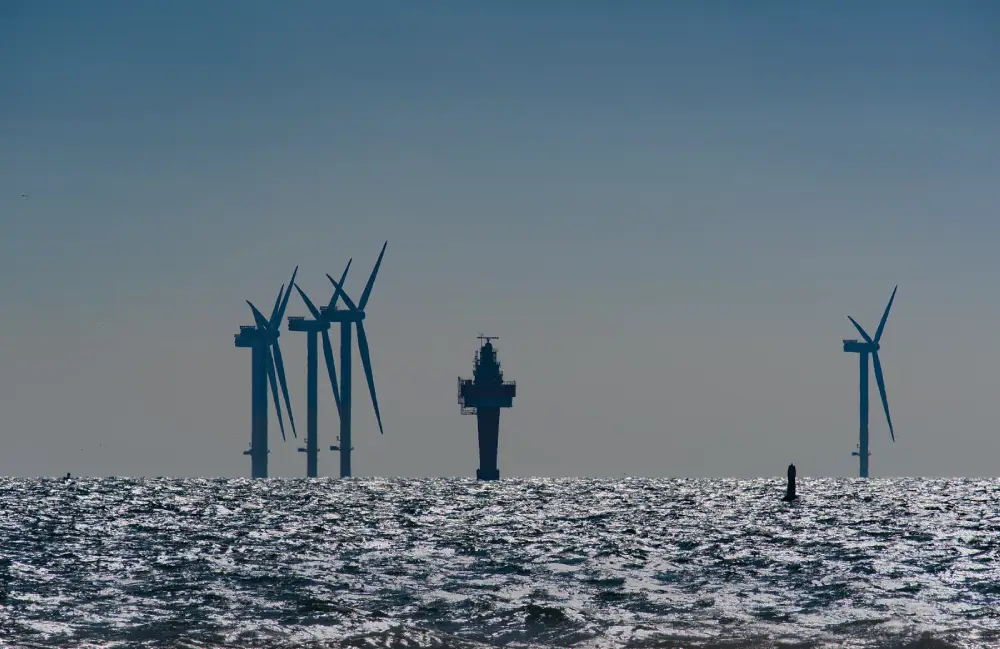
EnergyOMNI x RECC|Taiwan Offshore Wind Development Enters a New Era: Supply Chains and Ports Pose Key Challenges
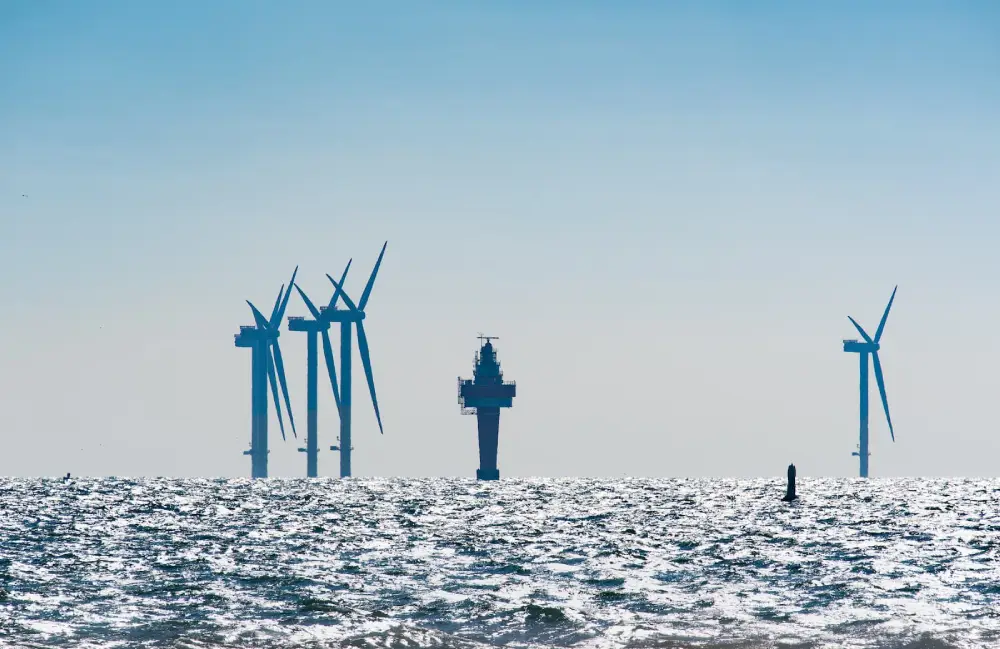
(Photo source: Pixabay)
Author: Daisy Chuang
As Taiwan's semiconductor, AI and high-tech industries continue to expand, demand for green electricity is rising rapidly. The Ministry of Economic Affairs (MOEA) recently unveiled its medium- and long-term offshore wind development plan, identifying an additional 15 to 18 GW of potential development areas and raising the annual development target from 1.5 to 2 GW. The plan targets an installed capacity of 24.7 to 27.9 GW by 2039.
However, as Taiwan moves into a larger scale phase of offshore wind development, industry players and experts warn that meeting these targets will bring challenges ranging from competition for talent and resources to port infrastructure and supply chain readiness.
Taiwan Expands Offshore Wind Roadmap, Targets Up 27.9 GW by 2039
The MOEA, working with the Ministry of National Defense (MND), Ministry of Transportation and Communications (MOTC), Ministry of Agriculture (MOA) and other government agencies, has identified 15 to 18 GW of potential offshore wind capacity following a review of available waters. Under the plan, 8 GW of capacity will be released for development every four years. Taiwan aims to reach 5.04 GW of installed capacity by the end of 2026, 10.9 GW by 2030, 18.3 to 19.9 GW by 2035 and 24.7 to 27.9 GW by 2039.
As of July, Taiwan's cumulative offshore wind capacity had reached 4.9 GW, with 508 offshore wind turbines installed. Taiwan ranked third globally in new offshore wind capacity added in 2025 and fifth in total installed capacity. At a July 23 meeting of the Presidential Office's National Climate Change Committee, the MOEA also outlined its roadmap for the future development of offshore wind and floating offshore wind.
"Taiwan's offshore wind industry could not have reached where it is today without strong government policy support and active promotion," said Robert Tseng (曾國正), chairman of the National Marine Engineering Association and CDWE. He is optimistic about the industry's outlook, saying that after two years of downturn and consolidation, the government has confirmed the scale of Taiwan's electricity demand and the availability of suitable offshore sites. The new plan therefore provides a much-needed boost for developers and the domestic supply chain.
Tseng said Taiwan's offshore wind development over the past decade has put it ahead of Japan and South Korea. Maintaining clear long-term development targets will be essential for Taiwan to retain that lead and prevent developers and supply chain companies from shifting elsewhere.
Chia-Wei Chao (趙家緯), research director at the Taiwan Climate Action Network, also stressed the importance of policy consistency. He noted that the government had raised its 2035 offshore wind target from 18 GW to 20 GW in its long-term energy roadmap. However, in the version released this June, it lowered the target share of renewable energy in power generation for 2035 from 36% to around 32%. Against this backdrop of policy uncertainty, Chao said offshore wind development could reach its "upper limit" by 2035, potentially prompting the government to adjust its target.
2 GW Annual Development Target Puts Supply Chains and Ports to the Biggest Test
If offshore wind falls short of the higher target, it will be unable to make up for delays in other renewable energy development. At the same time, the government's ambitious offshore wind targets will ultimately face practical challenges in implementation.
While Tseng supports Taiwan's offshore wind targets, he highlighted 2 major challenges: insufficient resources and infrastructure, and shortages of engineering vessels, local teams and skilled professionals. "As Taiwan, Japan, South Korea and even Europe all push ahead with wind power development, the industry will face intense global competition for limited resources."
Countries are also refining their auction rules to retain developers. Tseng noted that beyond resource and supply chain constraints, the industry will also face challenges involving wind turbines, components and marine engineering. Taiwan's existing port and harbor infrastructure may also be insufficient to support the scale of future development.
Annual offshore wind additions are set to increase from 1.5 GW to 2 GW, equivalent to construction demand for two to three wind farms each year. From a marine engineering perspective, Tseng said Taiwan's existing fleet of domestically registered primary construction vessels is not yet sufficient to meet the construction needs of even a single wind farm. Regardless of how local content requirements evolve, developers will still need to find ways to allocate supply chain and engineering resources.
To address these two bottlenecks, Tseng suggested that the government could stagger project schedules during the tendering process to avoid having all wind farms enter construction in the same year. Developers could also consolidate engineering work under experienced domestic contractors, allowing them to coordinate resources and project interfaces and reduce competition for resources caused by different contractors handling separate parts of a project.
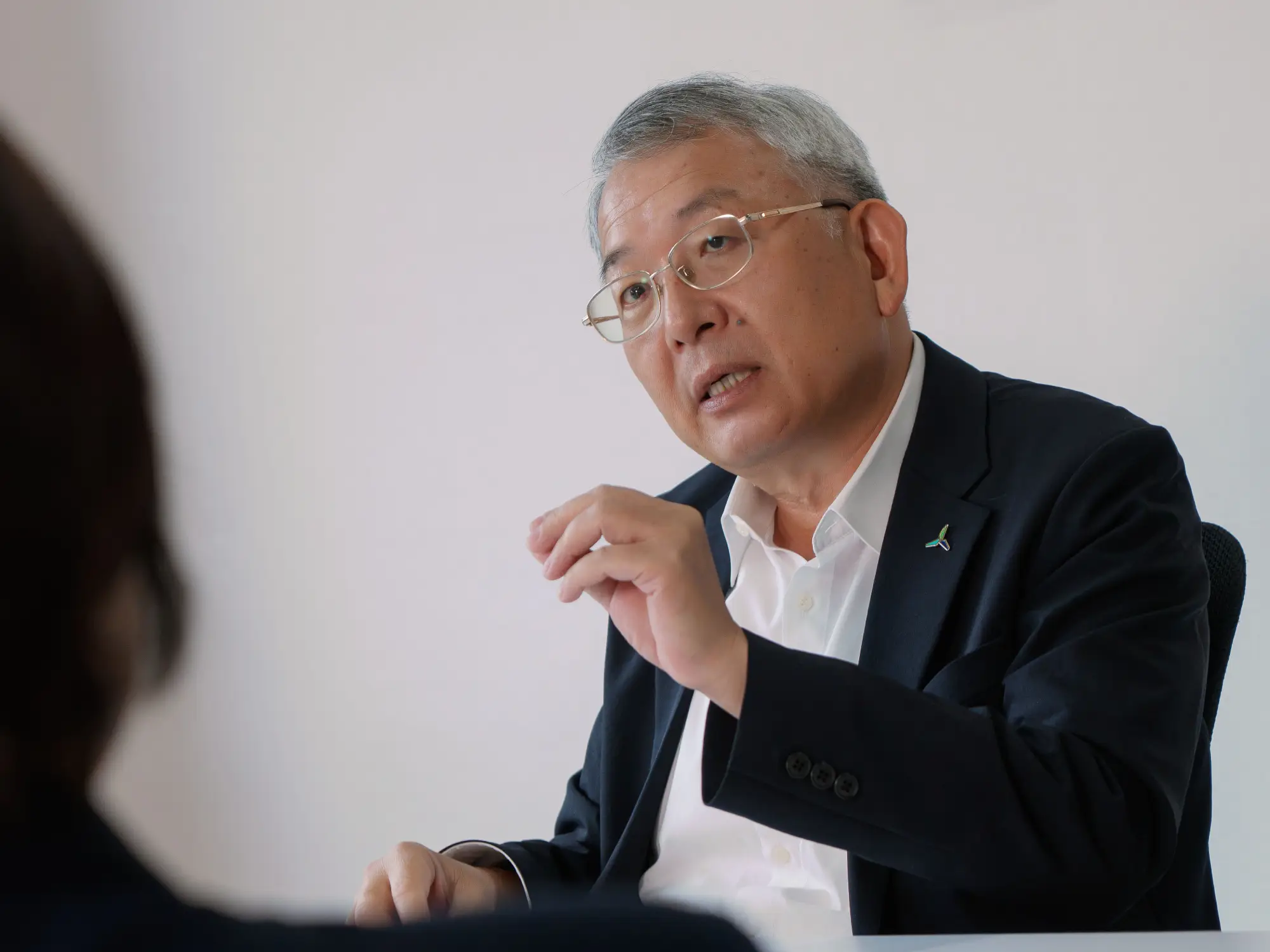
Robert Tseng (曾國正), chairman of the National Marine Engineering Association and CDWE
(Source: EnergyOMNI)
Regarding reports that large numbers of Chinese-built vessels are being sold at lower prices following policy changes, Tseng noted that China's wind power market is largely served by domestic companies and follows standards that differ from international requirements. As a result, purchasing these vessels does not necessarily mean they will meet international standards. Significant time and investment may be required for modifications before they can meet the requirements of international developers.
Tseng also pointed out that a vessel's value extends beyond its physical assets to include the software, operational and technical documentation, and maintenance records required throughout its life cycle. Many of these secondhand Chinese-built vessels have changed hands multiple times, leaving incomplete technical drawings and gaps in maintenance records and other documentation, which could create risks for future maintenance.
For now, the MOEA has set only the overall targets, with many implementation details to be finalized. Chao noted that the government's presentation did not address plans for where offshore wind cables would come ashore. In the past, concerns from local governments over cable landing sites have delayed offshore wind projects.
As the scale of wind farms increases, the government will need time to address challenges such as planning shared cable landing sites for offshore wind projects and securing support from local governments.
Floating Offshore Wind Takes the Baton; With Heavy-Duty Port Infrastructure as the Next Challenge
The government aims to reach 27 GW of offshore wind capacity by 2040, with at least 5 GW expected to come from floating offshore wind. The MOEA estimates that each project under this year's floating offshore wind demonstration program will have a capacity of around 100 to 200 MW. Developers are expected to be selected this year, with grid connection scheduled for 2032 to 2033.
However, floating offshore wind depends heavily on ports and other heavy infrastructure. Tseng noted that to meet its medium- and long-term targets, Taiwan will inevitably need to develop fixed bottom and floating offshore wind projects simultaneously after 2032. While this should not pose a major challenge for Taiwan's marine engineering companies, the infrastructure required for floating offshore wind, including deep water berths, ultra heavy lifting equipment, turbine preassembly sites and large areas of sheltered water for temporary storage, still requires significant preparation.
Tseng said the Port of Taipei, with its deeper waters and available land, is well suited for manufacturing and launching floating platforms. Whether wind turbines can also be assembled there, however, will depend on aviation height restrictions. The Port of Taichung does not face the same restrictions, but upgrades would still be needed because floating platforms are both heavy and large, with some featuring triangular decks measuring up to 100 meters on each side. Planning and redevelopment would therefore need to begin several years in advance.
Floating offshore wind has also yet to reach commercial scale and remains more expensive than fixed bottom offshore wind. Chao noted that while the initial demonstration projects will receive a short-term feed-in tariff, the government has yet to determine what mechanism will support the industry's long-term development.
Tseng said demand for green electricity from the AI, semiconductor and data center industries is substantial. If offshore wind capacity comes online as planned, Taiwan's renewable energy supply could help these companies meet stringent RE100 requirements. Offshore wind has become a key pillar of Taiwan's energy transition, and delivering on the medium- and long-term targets could significantly ease the shortage of green electricity while helping Taiwanese companies maintain their global competitiveness.
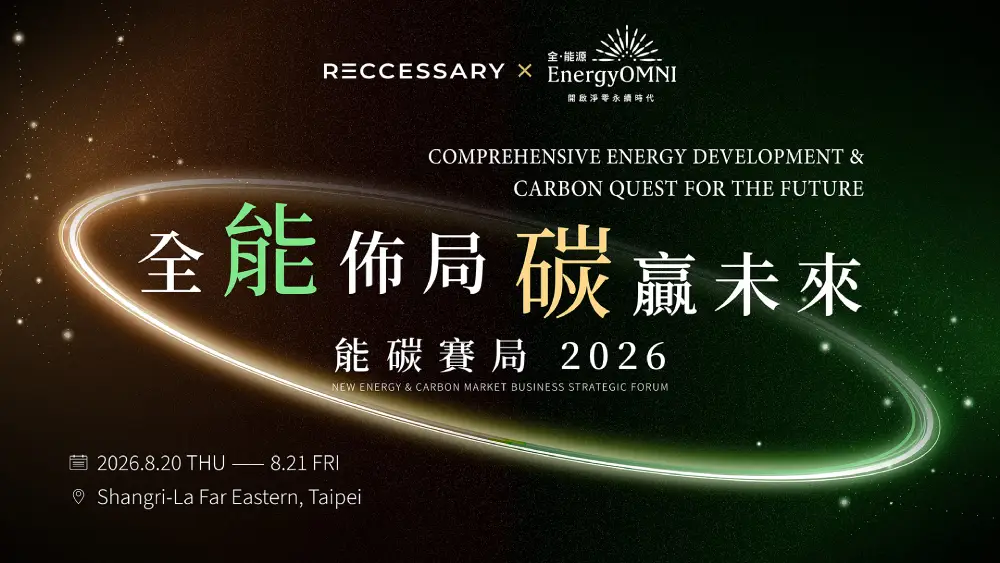
EnergyOMNI and RECCESSARY will host the "Comprehensive energy development & carbon quest for the future" forum in Taipei on Aug. 20-21, focusing on offshore wind, energy storage, AI infrastructure, carbon management and green finance. CDWE Chairman Robert Tseng will share insights into the marine engineering and supply chain challenges facing Taiwan's offshore wind expansion. Click here to register.
Click here to register.
More related articles
