

Micro Electricity Enhance Green Energy Efficiency through Energy Data Management
Micro Electricity Enhance Green Energy Efficiency through Energy Data Management

By Mei-Hsu Shih, Director of Business and Deputy Editor-in-Chief at EnergyOMNI
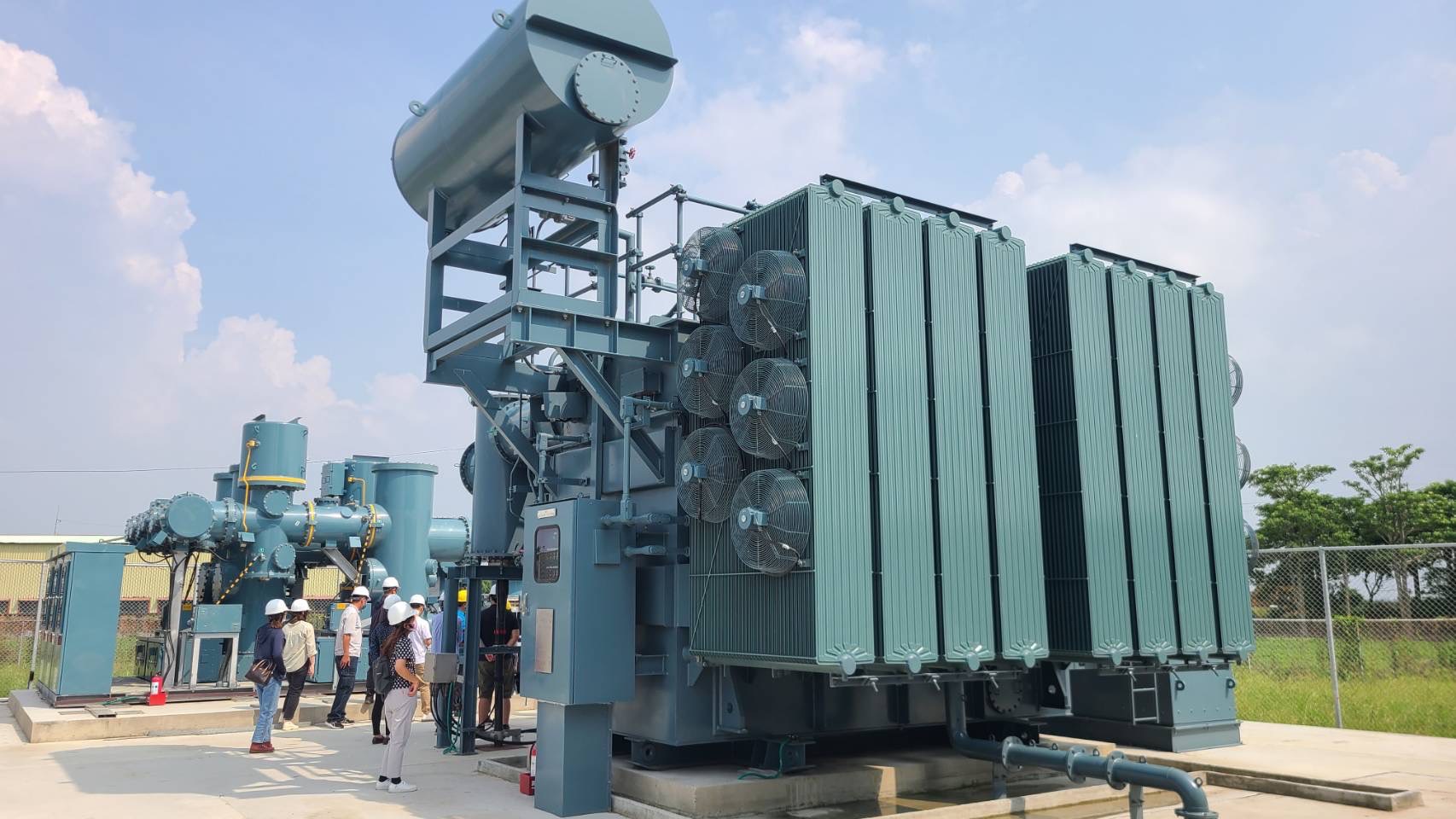
RFD Micro Electricity (hereafter referred to as Micro Electricity) specializes in solar energy development and energy data application. In March, Micro Electricity became Taiwan's first private enterprise to join the Taipower system with a 300 MW Fishery and Electricity Symbiosis combined boosting station. This station serves its own photovoltaic plants and aids those in Syuejia, Madou, and Xiaying. By 2025, Micro Electricity aims to connect photovoltaic power, generating 400 million kWh annually, equivalent to the yearly consumption of 140,000 households. Zhao-Ren Zeng, Vice President of Business, highlighted that this initiative, aligned with government policy, exemplifies the value of private sector involvement in grid services. Additionally, Micro Electricity has significantly progressed in fishery-electricity symbiosis, monitoring platform optimization, and energy management platform development this year.
Since its inception, Micro Electricity has focused on energy data, with the vision of "Solar as a Service." Initially, it worked on rooftop projects across Taiwan, expanding to large ground-mounted systems, fishery-electricity symbiosis, and combined boosting stations. This evolution from decentralized to centralized, low to high voltage projects explores the potential interfaces between data and service. Micro Electricity aims to precisely measure and enhance investment efficiency in energy projects, driving the realization of photovoltaic energy's value.
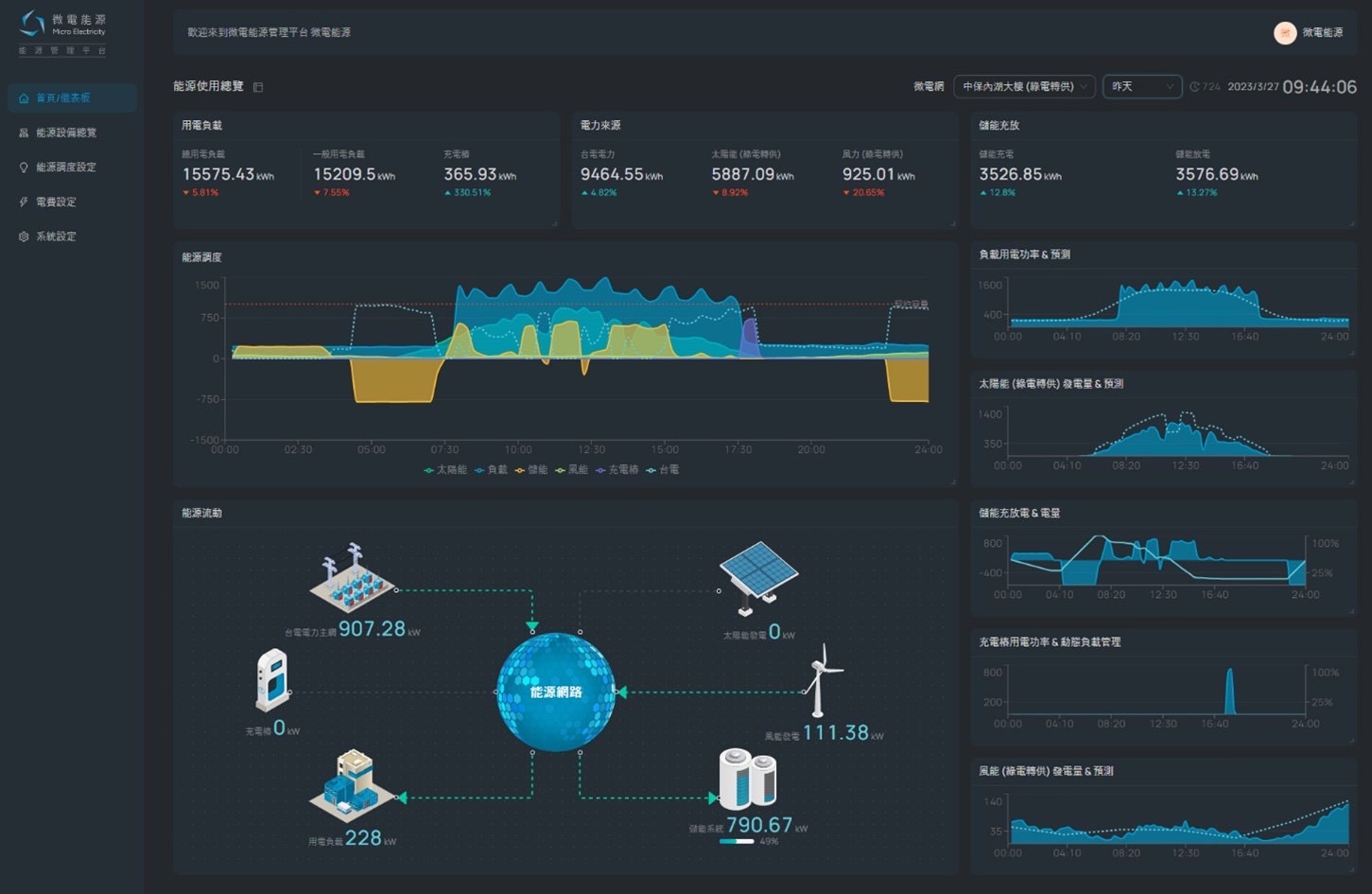
Positioning itself as a comprehensive energy service provider rooted in data, Micro Electricity emphasizes the importance of predictive management in renewable energy due to its reliance on natural conditions. Factors such as sunlight, module health, location, and climate variations affect power generation, impacting revenue, maintenance costs, and overall project evaluation. Data and information are crucial in linking these variables.
Micro Electricity has developed a data platform since its early days, incorporating weather data, solar radiation calculations, and standardized models to enhance monitoring accuracy. Unlike others using average regional sunlight data, Micro Electricity integrates Taiwan's meteorological data into its operational system, significantly improving forecast accuracy and power generation efficiency. In addition to plant operation and maintenance, the company focuses on managing and leveraging green energy data for competitive advantage. With the growth of renewable energy, the importance of decentralized grids will increase. Future priorities are balancing Taiower’s electricity purchases, self-generation, green electricity consumption, and energy storage optimization. Micro Electricity established an initial energy management module last year and plans to develop demonstration scenarios combining power plant data, predictive monitoring, and multi-scenario energy usage.
Currently, combining energy storage systems with photovoltaic power is a market focus. Using photovoltaic data, Micro Electricity integrates storage capacity, energy charging/discharging, feeder line usage, and revenue forecasting to create an optimal design model. This helps businesses in evaluating and executing solar-storage projects, maximizing investment value. Addressing energy transition and renewable energy development challenges, including multi-use land, grid service support, storage applications, and integration of power facilities with communities, are crucial future issues. Micro Electricity remains dedicated to supporting policy initiatives and industry collaborations.
Micro Electricity continues to drive renewable energy development, helping businesses achieve carbon reduction and green competitiveness through its "electricity, cash flow, and information flow" model. Facing future energy challenges, the company will persist in developing data-centric solutions to maximize photovoltaic value.
