

OMNI Features|Operation Epic Fury Drives Oil Volatility: Blockade, Sanctions Threaten Global Energy Flows
OMNI Features|Operation Epic Fury Drives Oil Volatility: Blockade, Sanctions Threaten Global Energy Flows
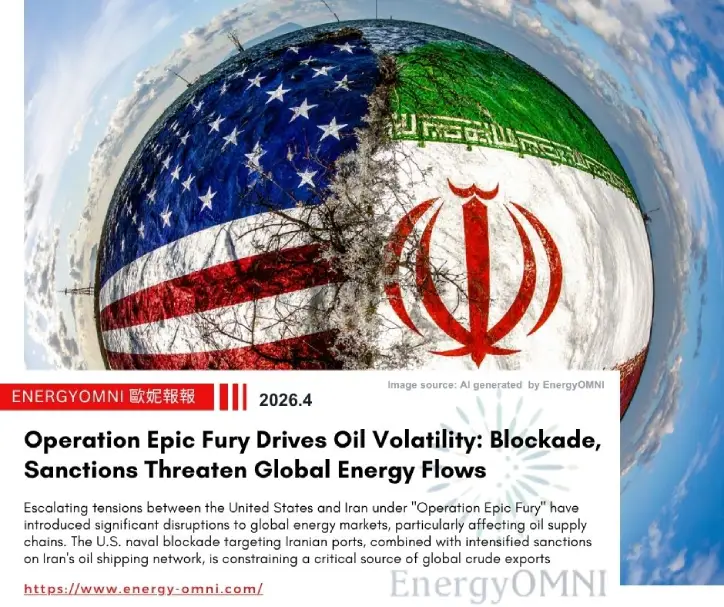
Escalating tensions between the United States and Iran under "Operation Epic Fury" have introduced significant disruptions to global energy markets, particularly affecting oil supply chains. The U.S. naval blockade targeting Iranian ports, combined with intensified sanctions on Iran's oil shipping network, is constraining a critical source of global crude exports. Given that the broader conflict has implications for routes near the Strait of Hormuz—a chokepoint handling roughly one-fifth of global oil consumption—the situation has heightened concerns over supply stability and price volatility.
The blockade, enforced across Iran's territorial waters and adjacent international zones, has already led to tangible impacts on maritime activity. At least 13 vessels have reportedly reversed course to avoid confrontation, signaling immediate disruptions to Iran's seaborne oil trade. U.S. officials emphasized that enforcement extends to "dark fleet vessels" involved in sanctioned or illicit oil transport, further tightening pressure on Iran's energy exports. This targeted restriction of oil flows is compounded by financial sanctions aimed at dismantling key networks facilitating Iranian crude shipments.
Simultaneously, Washington has escalated economic pressure through coordinated sanctions targeting more than 2 dozen entities linked to Iran's oil shipping infrastructure. These measures aim to dismantle illicit export channels and tighten financial restrictions, effectively squeezing Iran's energy sector. U.S. officials have also warned that further escalation could include direct strikes on Iran’s energy infrastructure, amplifying downside risks to regional oil supply.
Despite a temporary two-week ceasefire, the broader geopolitical environment remains fragile. Military posturing and continued enforcement of the blockade suggest that supply disruptions could persist, sustaining upward pressure on oil prices. Historically, such geopolitical shocks introduce a risk premium into crude markets, particularly when supply routes near the Persian Gulf are threatened.
The evolving situation carries broader market implications. Elevated oil prices could reinforce inflationary pressures globally and dampen risk appetite across financial markets, indirectly affecting assets such as cryptocurrencies. Investors are closely monitoring any signals of de-escalation, as a diplomatic breakthrough could quickly ease supply concerns and stabilize oil markets.
Refernece:
Crypto Briefing|U.S. Dep. of War|Defensescoop
