

Linde LienHwa Connects Hydrogen Ecosystem Through Hydrogen-as-a-Service (HaaS), Boosting Decarbonization and Production Capacity by Up to 50%
Linde LienHwa Connects Hydrogen Ecosystem Through Hydrogen-as-a-Service (HaaS), Boosting Decarbonization and Production Capacity by Up to 50%
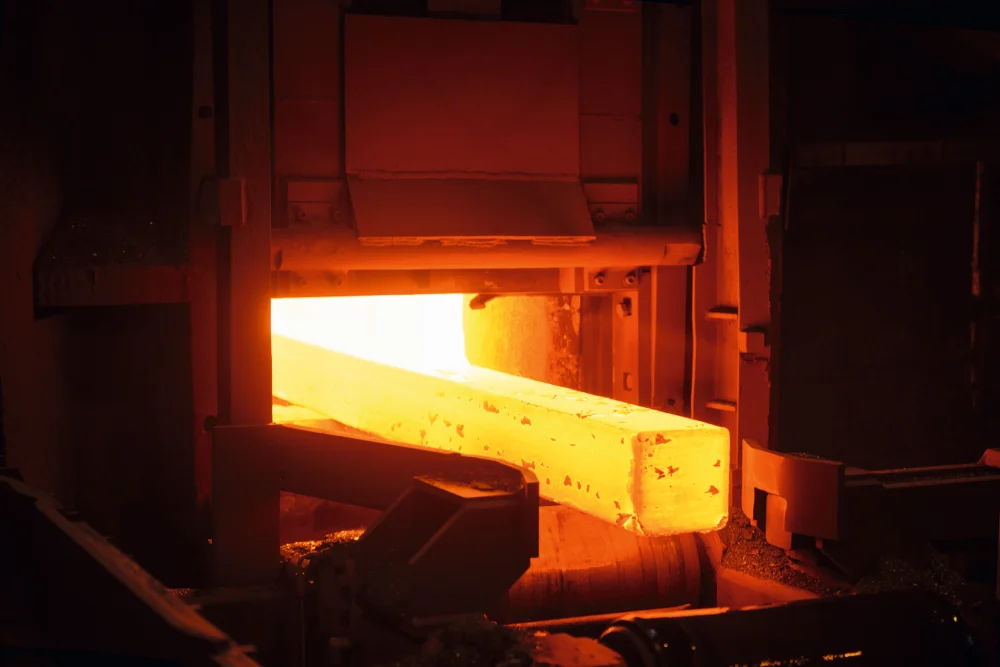
Linde LienHwa's oxy-fuel combustion solutions can optimize reheating furnaces cost-effectively without requiring major modifications, increasing production capacity by 20%.
Taiwan's leading industrial gas supplier, Linde LienHwa (聯華林德), announced that its industrial decarbonization applications continue to expand. Its oxy-fuel combustion technology has been adopted by several prominent companies, including Taiwan Cement Corporation (TCC / 台泥), Walsin Lihwa (華新麗華), Jin Lian Cheng (金聯成) and Lo-Toun Steel and Iron Works (羅東鋼鐵). By reducing exhaust gas volumes and improving combustion efficiency, the technology can increase production capacity by more than 50% and reduce fuel consumption by up to 50%.
In parallel, Linde LienHwa is working with multiple partners to connect the logistics, transportation, and hydrogen industries through a Hydrogen-as-a-Service (HaaS) model, accelerating the deployment of hydrogen applications. From October 14 to 16, the company is participating in Net-Zero Taiwan & Energy Taiwan 2026 at Taipei Nangang Exhibition Center, Hall 1, demonstrating its commitment to hydrogen mobility, industrial decarbonization, and energy efficiency.
The International Energy Agency (IEA) reported in its "Energy Technology Perspectives 2026" (《2026 年能源技術展望》), released earlier this year, that the clean energy market continues to expand. Investment in low-emissions hydrogen production projects surged by 80% in 2025 compared with the previous year, marking the largest increase among clean energy technologies. The overall clean energy market is projected to double in value to US$3 trillion by 2035.
Oxy-Fuel Combustion Supports Industrial Decarbonization and the Energy Transition
In 2024, the Ministry of Environment (MOENV) successively promulgated 3 subsidiary regulations supporting Taiwan's carbon fee system, ushering in a new phase of carbon pricing. Jeffery Shan (沈欣儒), Vice President and Head of Merchant & Clean Energy (MCE) at Linde LienHwa, noted that oxy-fuel combustion technology can help carbon-intensive industries improve combustion processes and enhance energy efficiency, making it an important option for industrial decarbonization.
Companies including TCC, Walsin Lihwa, Jin Lian Cheng, and Lo-Toun Steel and Iron Works have adopted the technology as part of their broader energy-saving and carbon-reduction strategies.
Japan-based steelmaker Chiyoda Steel (千代田鋼鐵) has implemented OXYGON, a flameless oxy-fuel combustion solution. Performance tests showed that gas consumption fell by 58.2%, while the preheating time for steel ladles was reduced from five hours and 40 minutes to three hours.
The advantages of oxy-fuel and pure-oxygen combustion—including the transition to lower-carbon fuels, process improvements, and enhanced operational efficiency—also align with corporate strategies for voluntary emissions reductions.
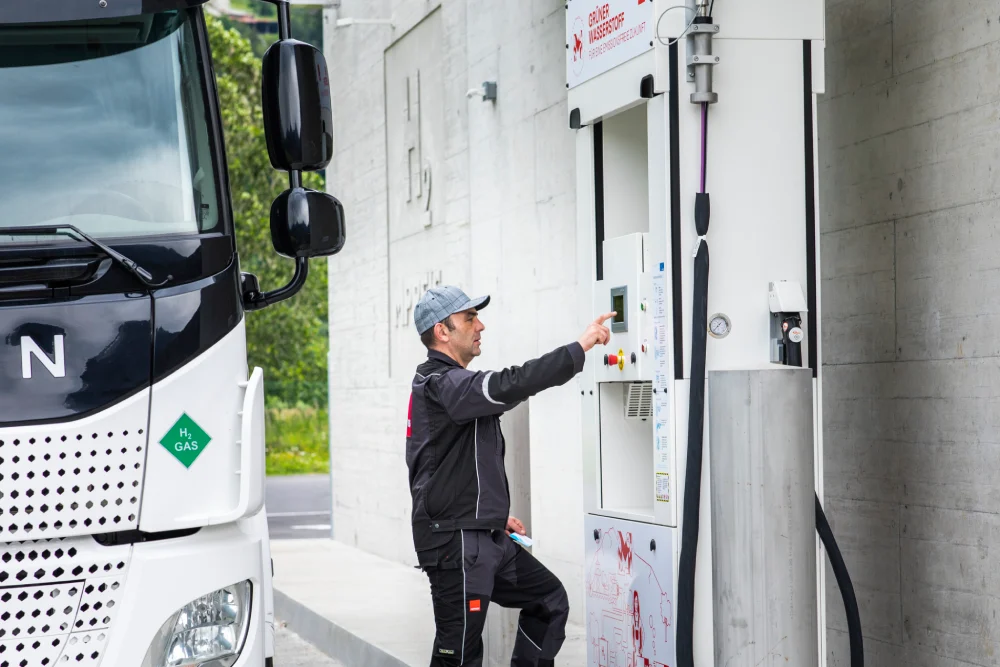
Linde LienHwa is actively building partnerships across the hydrogen industry, including logistics and transportation providers, to promote the Hydrogen-as-a-Service (HaaS) model and accelerate the deployment of hydrogen applications.
Customized Solutions Offer Flexible Investment, Cut Fuel Consumption by Up to 50%, and Increase Production Capacity by Up to 50%
Oxy-fuel combustion uses oxygen to replace or supplement air during combustion, reducing the dilution effect caused by nitrogen in the air and thereby improving energy efficiency.
Shan emphasized that Linde LienHwa develops customized solutions tailored to customers' processes and equipment requirements. By reducing exhaust gas volumes and improving combustion efficiency, these solutions can increase production capacity by more than 50% and reduce fuel consumption by up to 50%.
The solutions also require no additional equipment footprint and can accommodate different fuels and various furnace types. Through its flameless pure-oxygen combustion technology, the company can eliminate the 79% of air composed of nitrogen from the combustion process, reducing reheating time by at least half.
Heavy-Duty Commercial Vehicles Emerge as a Key Driver of Hydrogen Transportation
Market research firm SNE Research, citing the sales mix of different hydrogen vehicle types across global regions in the first half of 2025, identified a trend of resilient commercial vehicle demand alongside weakening passenger vehicle demand.
The global hydrogen vehicle market is projected to grow from US$57.1 billion in 2023 to US$427.3 billion in 2031, representing a Compound Annual Growth Rate (CAGR) of 29.4%. The IEA has specifically identified heavy-duty trucks as the only rapidly growing market segment for hydrogen fuel cell vehicles.
Christine H. Miao (苗華山), Vice President of Communications & Hydrogen Energy at Linde LienHwa Industrial Gas (LLH), said that heavy-duty trucks, buses, and logistics vehicles are driving the development of hydrogen-powered transportation worldwide.
Following the completion of its hydrogen refueling station last year, Linde LienHwa has joined forces with affiliated companies Lien Hwa New Energy (LHNE / 聯華新能源) and Asia Hydrogen Energy (亞氫動力) to further connect logistics fleets with transportation operators and introduce hydrogen-powered trucks that comply with European standards. By integrating procurement and service models, the company aims to reduce customers' upfront capital expenditure and accelerate the adoption of hydrogen transportation.
Miao emphasized that Linde LienHwa is gradually advancing the HaaS model through a flexible integration strategy in collaboration with its partners. The initiative aims to provide customers with reliable hydrogen supplies, lower the barriers to adopting hydrogen mobility, and connect hydrogen supply with end-use applications to accelerate the development of an integrated industry ecosystem.
HaaS is an emerging clean energy business model designed to enable customers to access reliable services without purchasing expensive equipment or building their own infrastructure. Services can be provided under long-term contracts or on a per-use basis.
At Net-Zero Taiwan & Energy Taiwan 2026, Linde LienHwa is exhibiting under the theme "Hydrogen for the Future, Leading the Low-Carbon Transition." The company is focusing on three key areas: hydrogen mobility, industrial decarbonization, and energy efficiency. Its exhibition will showcase progress in the energy transition and feature booth seminars where industry experts and customer partners will share their experiences, challenges, and outlook for energy conservation and emissions reduction.
【Linde LienHwa at Net-Zero Taiwan & Energy Taiwan 2026】
- Dates: October 14–16, 2026
- Venue: 4th Floor, Hall 1, Taipei Nangang Exhibition Center
- Booth: M0311
- Agenda: https://reurl.cc/dOOLRV
- Official exhibition website: https://reurl.cc/NOR5z5
【About Linde LienHwa】
Linde LienHwa Gas is one of Taiwan's leading industrial gas manufacturers. Established as a joint venture between Lien Hwa Industrial Holdings and the Linde Group, a global leader in industrial gases, the company supplies gases essential to a wide range of industries in Taiwan, including semiconductors and electronics, transportation, healthcare, manufacturing, metals, and food and beverages.
Its applications range from high-purity and specialty gases for electronics manufacturing to hydrogen-powered transportation and medical oxygen. Building on its technical expertise and service capabilities, Linde LienHwa provides integrated solutions covering gas production, fleet transportation, filling services, inventory management, and maintenance. It also assists customers with the design and construction of gas pipelines and supply systems.
Source: Linde LienHwa
Compilation & Ttranslation: EnergyOMNI
