

Bringing Enterprises to the World, Bringing the World Back to Taiwan: The National Blueprint for New Era Economic Diplomacy
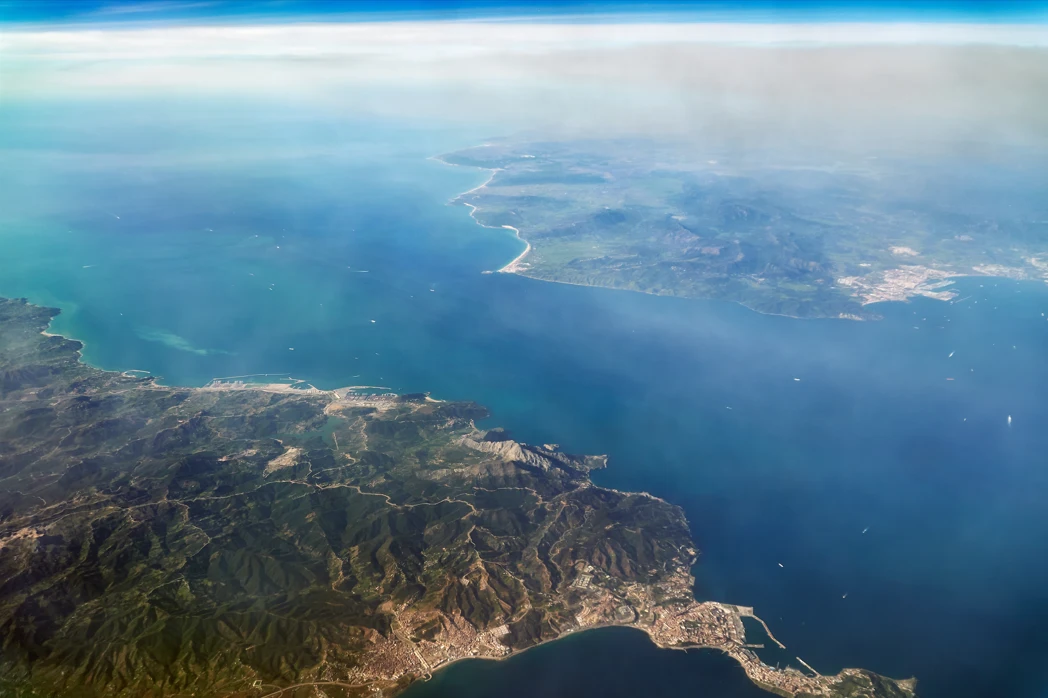
Bringing Enterprises to the World, Bringing the World Back to Taiwan: The National Blueprint for New Era Economic Diplomacy
"Many people see our industry delegation roster and ask: Why is there an NGO executive director listed?" Charles Chiang smiles. Officially, he serves as an NGO executive director; in practice, he simultaneously acts as Deputy Secretary-General of the China International Economic Cooperation Association (CIECA), assisting Minister Lin Chia-lung in advancing trade diplomacy as a key member of the Foreign Ministry's task force.
Over the past year, he has traveled with or on behalf of the Foreign Ministry to Poland, Lithuania, Palau, the United States, Paraguay, Eswatini, and even Northern Luzon in the Philippines - accumulating enough mileage to circle the globe three times. These journeys connect more than ceremonial visits; they outline a new "economic diplomacy" roadmap centered on energy, technology, and industrial supply chains.
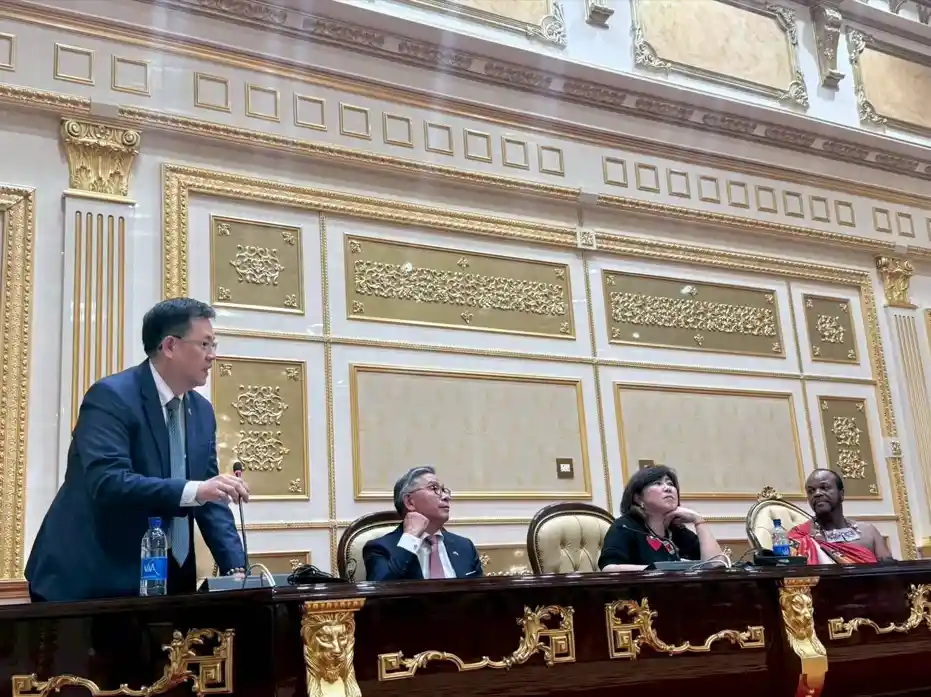 Chiang briefed the king and all cabinet officials at the Eswatini royal palace on how to develop a Taiwan Technology Innovation Park in Eswatini.
Industry Delegations Abroad: From NGO Executive to Economic Task Force
Chiang's role transcends that of a mere NGO representative "attending as an observer." He actively participates in planning, matchmaking, and post-visit implementation.
Reviewing his "diplomatic timeline," Chiang remarks: "I assumed office last October, but to date, my travels with the Minister or leading delegations myself could already circumnavigate the globe three times."
His inaugural mission in November 2024 accompanied Minister Lin to Poland and Lithuania, focusing on drone technology and advanced industries - areas aligning with Chiang's professional expertise. In January 2025, he joined the Minister's delegation to Palau for President Surangel S. Whipps Jr.'s inauguration. "That delegation included cross-sector industries like tourism, photovoltaics, and construction - a comprehensive approach to international engagement."
Chiang emphasizes that firsthand exposure reveals critical insights: "Only through physical presence do industries realize that diplomatic missions carry not just commercial interests, but national capabilities."
A Palauan case exemplifies this. Australian teams had installed incomplete green energy systems - solar panels without energy storage or grid integration. "Upon identifying this, we immediately facilitated Taiwanese integrators like Reihom Holdings to propose solutions," Chiang notes.
The July 2025 Paraguay visit unveiled greater potential. "With the world's largest Itaipu hydropower infrastructure, Paraguay possesses massive green energy reserves. We brought electric bus manufacturers to assess public transport electrification," Chiang explains. Transitioning from diesel buses could not only improve cost efficiency but also drive demand for charging infrastructure, energy storage, and microgrid solutions - positioning Paraguay as a prime location for future AI computing centers powered by low-carbon electricity.
These are not ceremonial visits but "combat-ready industry delegations" combining public sector coordination (Foreign Ministry, Economic Ministry, overseas missions) with private sector supply chains spanning drones, defense tech, electronics, renewable energy, energy storage, EVs, solar power, microgrids, and AI infrastructure.
A highlight occurred in July-August 2025 when Chiang personally led a delegation to Eswatini, presenting the "Taiwan Smart Innovation Technology Park" concept to the King. "Africa holds immense green energy potential. Our vision is to establish a 158-hectare demonstration zone integrating high-tech industries with solar PV, energy storage, and microgrid systems," Chiang states. This platform aims to showcase Taiwan's comprehensive energy solutions while creating expansion opportunities.
Chiang emphasizes Taiwan's strategic role in critical infrastructure: "The Foreign Ministry has established specialized task forces like the Power Team, collaborating with Taipower and the Economic Ministry to export integrated power solutions." The logic is clear - when partner nations adopt Taiwanese grid or network systems, technical and talent dependencies create lasting bonds. "This operationalizes President Lai's vision of an 'economic non-sunset nation' through technology, capital, and talent," Chiang affirms.
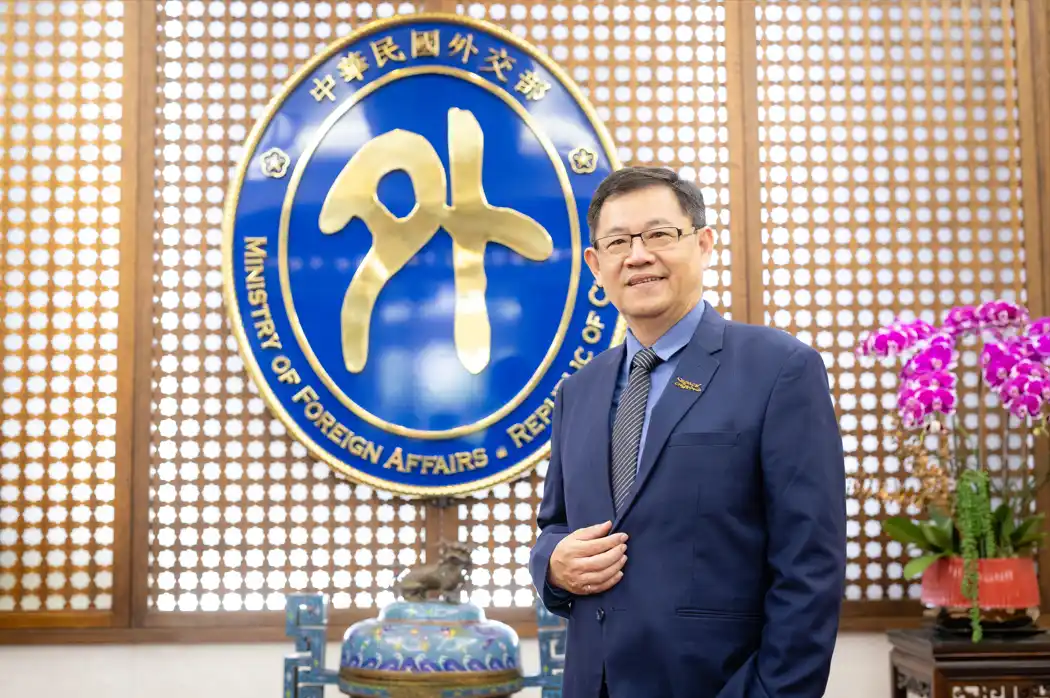 Charles Chiang, Executive Director of MOFA's International Affairs Committee for NGOs and Deputy Secretary-General of CIECA
MOFA's Economic Diplomacy Strategy: The 16-Character Doctrine of Public-Private Collaboration
Chiang highlights Minister Lin's strategic framework - "public-private collaboration, large-led-small, hardware-software integration, domestic-international circulation" - as the cornerstone of Taiwan's economic diplomacy.
Public-Private Collaboration: Mitigating geopolitical risks through government-backed financing (Central and Eastern Europe Investment Fund), diplomatic negotiation support, and specialized task forces (Power Team, Drone Diplomacy Group). "Official involvement boosts investor confidence," Chiang states bluntly.
Large-Led-Small: Orchestrating supply chain ecosystems. In Poland, Foxconn's presence enabled SME suppliers to explore new partnerships while showcasing Taiwan's integrated capabilities. "This 'wolf pack' approach creates structural interdependence with partner nations," Chiang explains.
Hardware-Software Integration: Exporting holistic solutions. Beyond solar panels and EV chargers, Taiwan provides energy management systems, microgrid designs, cybersecurity protocols, and AI cooling solutions - "the true diplomatic value lies in complete technical governance packages."
Domestic-International Circulation: Domestic capability building precedes international deployment. Successful models - whether Eswatini's tech park, Paraguay's EV transition, or Palau's green energy overhaul - become replicable blueprints for the "economic non-sunset nation."
This aligns with Minister Lin's "Prosperous Allies Initiative" (榮邦計畫), using economic diplomacy to drive mutual prosperity. "We've moved beyond traditional diplomacy to 'total diplomacy' - creating win-win partnerships through industrial collaboration," Chiang summarizes.
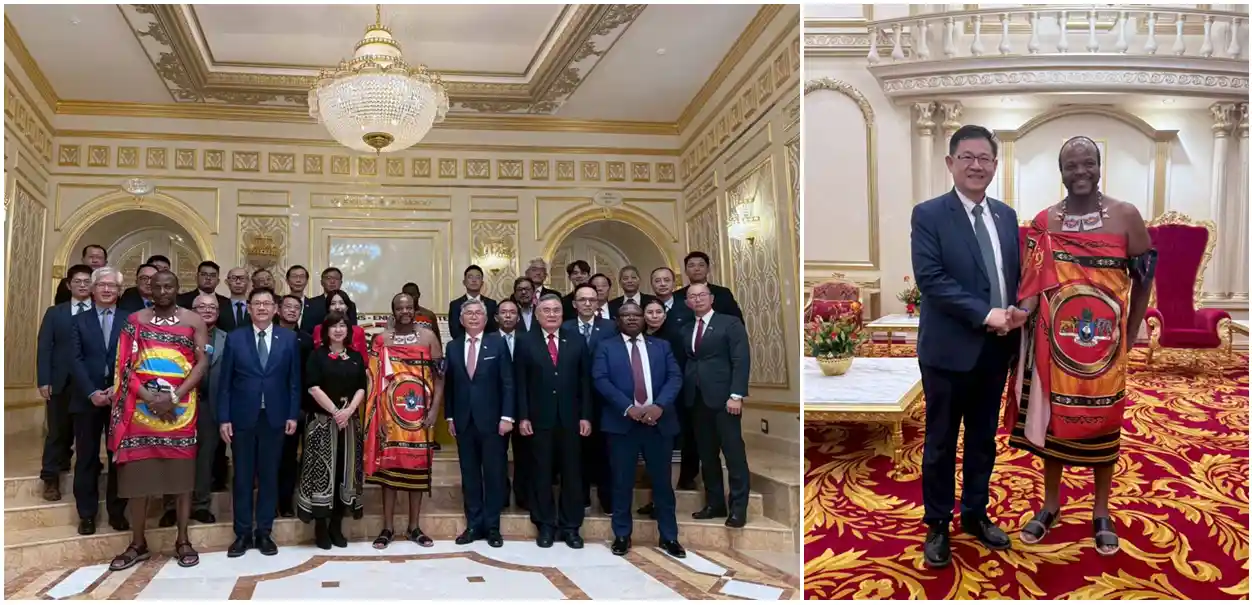 Chiang and the Taiwan industry delegation pose for a photo with King Mswati III of Eswatini.
Information Advocacy: Bridging the Perception Gap
At the end of the interview, Chiang proactively brought up what he considered "the area most in need of strengthening" — information disclosure and policy advocacy.
"Many people may wonder: How is it that we didn't know before that the government and the Ministry of Foreign Affairs had these plans? In fact, these are all things Minister Lin Chia-lung has been continuously pursuing over the past year and a half since taking office."
In his view, there are at least three information gaps at present. "On the enterprise side, they don't know that there are such economic diplomacy tools available for use. On the other hand, the general public does not strongly perceive the connection between diplomatic relations and economic interests — for example, after Honduras severed ties with Taiwan, its white shrimp exports collapsed; by contrast, Belize, which remains a diplomatic ally, benefited and saw exports grow significantly." Chiang said these cases show that "becoming a diplomatic ally of Taiwan actually carries substantive economic benefits," but societal understanding of this remains limited.
In addition, the "wolf-pack" model on the diplomatic front has not yet been sufficiently understood and engaged by enough industries. Many companies still view overseas markets with a "solo combat" mindset, and have yet to form a sense of "going out together, investing together, deploying together" as a team.
Therefore, on Industrial Day, November 11, 2025, when President Lai and Minister Lin of the Ministry of Foreign Affairs participated in the event at the invitation of the Chinese National Federation of Industries, they specifically explained this approach to the nation's industrial community, hoping that more companies would not only hear about it, but actually join this ranks.
Chiang stated bluntly: "If information can be more transparent and raised more frequently, the more companies know, the more teams will be willing to go out together. Then the likelihood of success will be much higher."
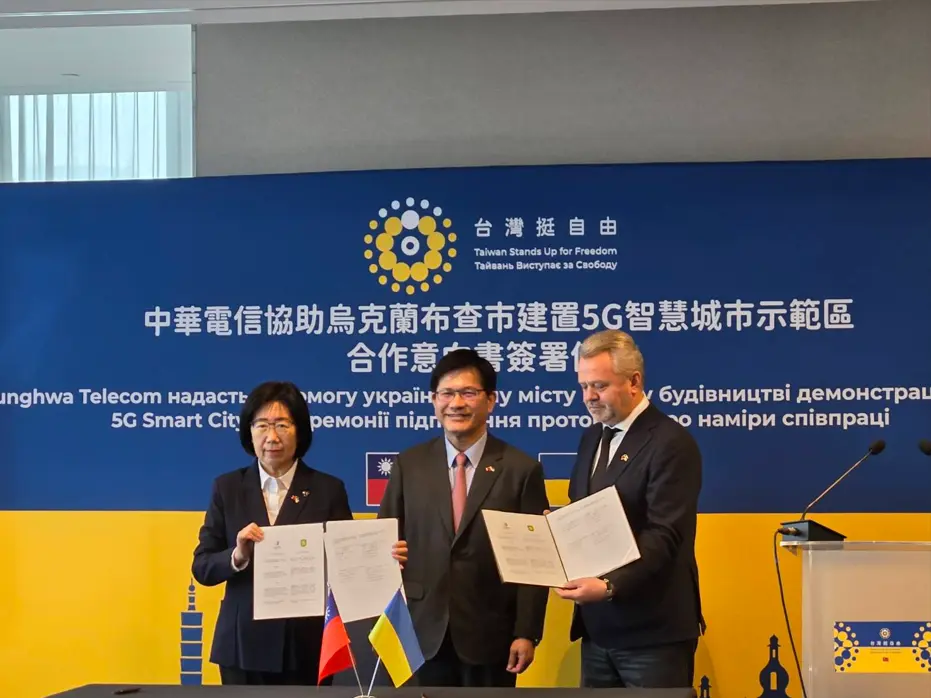 Minister Lin Chia-lung's core diplomatic strategy, the "Prosperous Allies Initiative," is to drive the economic prosperity of diplomatic allies through economic diplomacy—enabling industries to expand outward via cooperation with Taiwan, while strategically maintaining more robust relations.
Future outlook: Building a true "never-setting sun" economy with technology, talent, and capital
Chiang believes that what truly cements diplomatic ties is not only goodwill, but the systems built together. "When a country's power grid, communications, and even AI computing centers all run on Taiwan's systems and are maintained by Taiwanese talent, the relationship between the two sides is less likely to be cut off by a change in the political landscape."
In his view, the key to Taiwan's future diplomacy will revolve around Taiwan's competitive industries. Among them, for example, in the energy sector: green power and energy storage, microgrids and smart power systems; in transportation, electrification such as electric buses; unmanned aerial vehicles and aerial data platforms; AI computing centers and data governance capabilities. These will be "packaged" into demo sites and smart parks and exported internationally.
He added with a smile at the end: "I often say I've probably circled the globe three times this year. But to me, each loop isn't a repeat—it's another chance for the world to see the role Taiwan can play."
When industry delegations going abroad are no longer just one-off trips, but part of a long-term strategic deployment; when the Ministry of Foreign Affairs discusses not only treaties and protocol, but chips, green energy, electric buses, power grids, energy storage systems, microgrids, drones, and AI centers; when public–private partnerships, large–small collaboration, a mix of soft and hard power, and internal–external circulation shift from slogans to concrete task formations—the "never-setting sun economy" Taiwan aspires to will no longer be just a vision, but a broad avenue being paved in reality.
More related articles
