

Inaugural Taiwan Maritime Engineering Influence Forum Convenes Positioning Maritime Engineering as the Cornerstone of Taiwan's Path Toward a "Competent Maritime Nation"
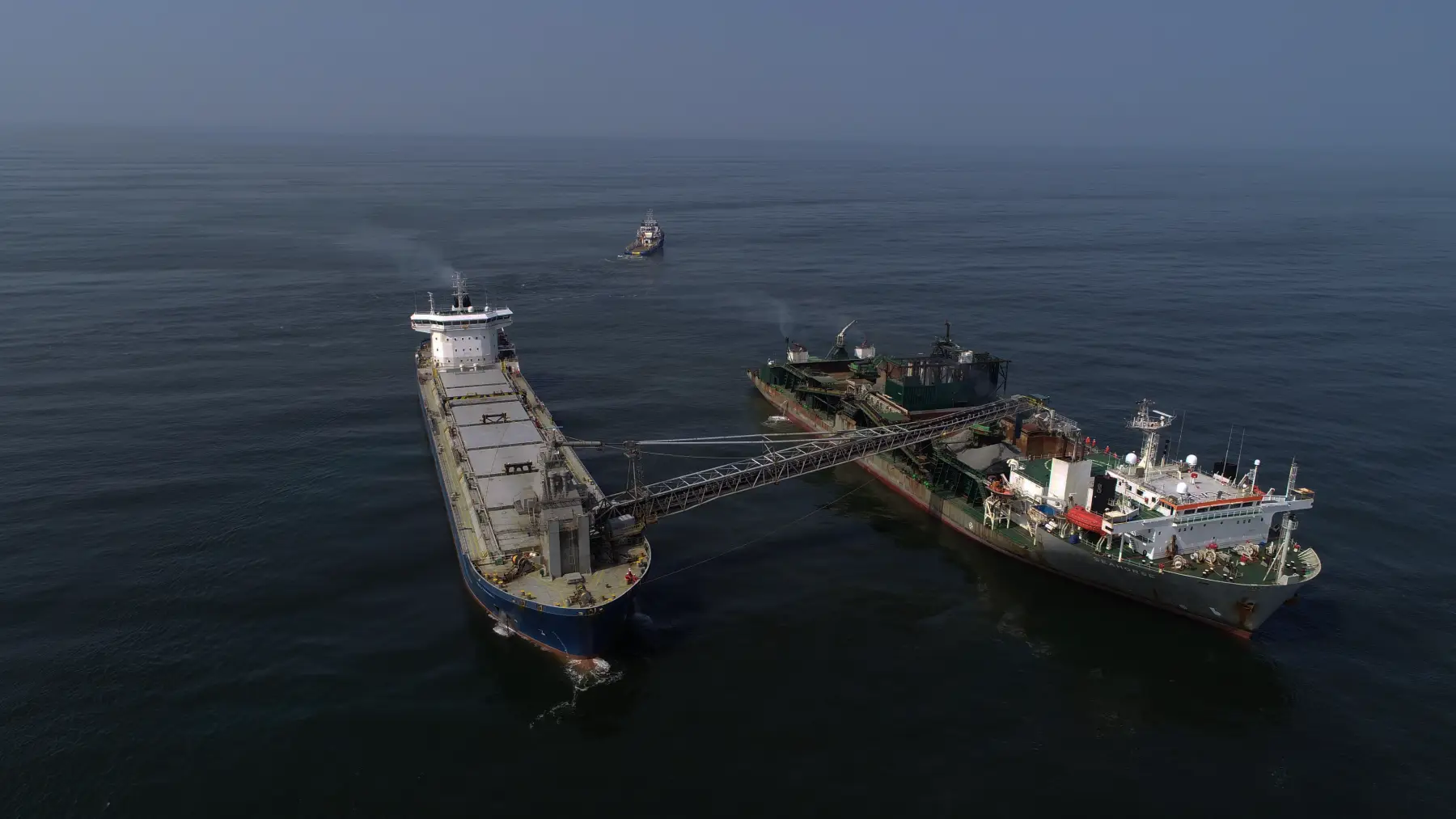
Inaugural Taiwan Maritime Engineering Influence Forum Convenes Positioning Maritime Engineering as the Cornerstone of Taiwan's Path Toward a "Competent Maritime Nation"

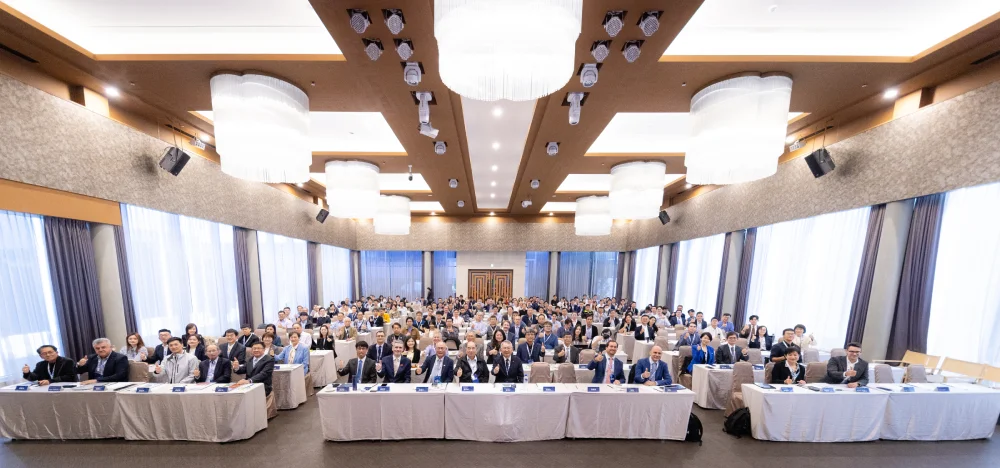
Co-hosted by the NMEA, KMEA, TMCA, and TwnWEA, and jointly supported by the British Office Taipei, ECCT, and the Belgian Office Taipei, the "2025 Taiwan Maritime Engineering Influence Forum" was officially convened on the 11th at the Formosa Yacht Resort in Anping, Tainan. The forum brought together nearly 300 participants from central and local government agencies, the offshore wind and maritime engineering industries, international organizations, and academia. Attendees included government officials, industry leaders, and international experts, all gathering to address a central question: as energy transition becomes an irreversible national pathway, how can maritime engineering serve as a foundational pillar in advancing Taiwan's ambition to become a capable and resilient maritime nation.
As energy transition and geopolitics converge, the ocean has become a strategic arena for energy security, industry, and governance. Ocean governance is now a cross-disciplinary field, and maritime engineering plays a pivotal role by turning policy goals into practical actions across maritime space and engineering sites.
Jointly organized by the National Marine Engineering Association, the Kaohsiung Maritime Engineering Commercial Association, the Taichung Maritime Construction Association, and the Taiwan Wind Energy Association, and co-hosted by the British Office Taipei, the European Chamber of Commerce Taiwan (ECCT), and the Belgian Office Taipei, the 2025 Taiwan Maritime Engineering Influence Forum was held on December 11, 2025 at the Formosa Yacht Resort in Anping, Tainan.
The forum convened nearly 300 participants from government, industry, international organizations, and academia to discuss a core question: as energy transition becomes irreversible, is Taiwan ready to position maritime engineering as a systemic pillar for energy development, industrial competitiveness, and national security?
Joel Derbyshire, Director of Trade and Investment, British Office Taipei, noted that the UK's offshore wind industry is rooted in North Sea oil and gas expertise, enabling the development of the world's largest offshore wind ecosystem with over 16 GW of installed capacity. UK companies have played key roles across Taiwan's offshore wind projects, supported by more than GBP 100 million in UK export credit. Looking ahead, the UK will deepen cooperation with Taiwan in policy frameworks, smart engineering, digital monitoring, and marine environmental protection.
Matthieu Branders, Director of the Belgian Office in Taipei, opened his remarks with light-hearted Mandarin, noting that while Taiwan may be geographically small, it possesses immense potential across technology, maritime development, and wind energy. Acknowledging the many untapped opportunities ahead, he expressed strong expectations for continued bilateral exchange and deeper, more substantive partnerships building on existing cooperation.
Robert Tseng, Chairman of CDWE (CSBC DEME Wind Engineering) and the National Marine Engineering Association, highlighted that Taiwan has long possessed robust shipping and shipbuilding capabilities, ranking among the world's leading maritime nations. Most naval and coast guard vessels are domestically built, forming a critical pillar of national stability amid rising geopolitical tensions.
However, Tseng stressed that to truly define itself as an advanced maritime nation under long-term net-zero and energy transition trajectories, maritime engineering is the indispensable missing link. He emphasized that this forum—initiated collectively by maritime engineering associations for the first time—aims to establish a sustained platform for dialogue and action at the intersection of energy transition, national security, and industrial upgrading.
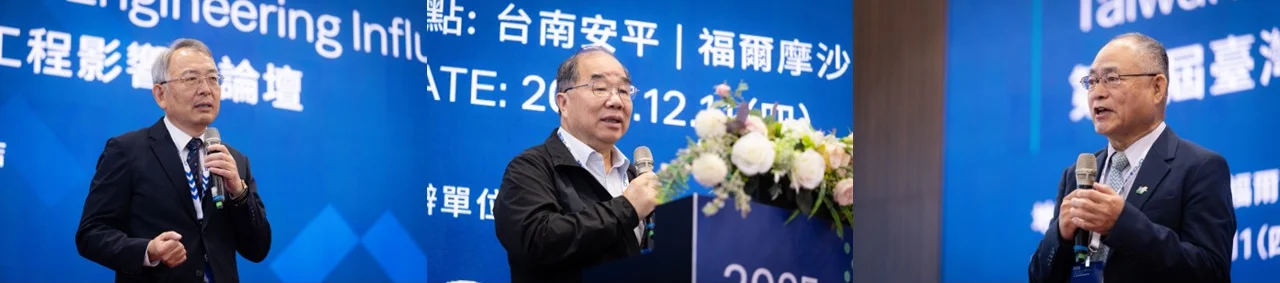
(From left to right) Robert Tseng, Chairman of CDWE (CSBC DEME Wind Engineering) and the National Maritime Engineering Association; Tsung-Bang Chen, General Manager of Hung Hua Construction and Chairman of the Taichung Maritime Construction Association; Meng-Fen Wu, Chairman of the Taiwan Wind Energy Association
Offshore Wind as a Catalyst for Industrial Transformation
Tsung-Bang Chen, Chairman of the Taichung Maritime Engineering Commercial Association and General Manager of Hung Hua Construction, noted that Taiwan has cultivated maritime engineering capabilities for decades through port construction, subsea works, and public infrastructure projects. The introduction of European offshore wind technologies and institutional experience accelerated knowledge transfer and practical implementation, bringing maritime engineering to the forefront. Looking ahead, Chen argued that the next phase hinges not only on construction capacity, but also on comprehensive talent development, fleet expansion, and integrated project management. With sustained investment, Taiwan could emerge as a key offshore wind and maritime engineering hub in Asia.
From a broader strategic perspective, Meng-Fen Wu, Chairman of the Taiwan Wind Energy Association, emphasized that ports, vessels, and maritime engineering are core to a competitive maritime nation. While Taiwan has begun building domestic fleets and engineering capacity, further learning is needed—especially for floating offshore wind and deeper waters. She expressed hope the forum will become an annual platform for international exchange and industry dialogue.

(From left to right) Joel Derbyshire, Director of Trade and Investment, British Office Taipei; Matthieu Branders, Director of the Belgian Office in Taipei; Bart Linssen, Director of Energy Transition & Sustainability Team, ECCT; Wei-Chih Huang, Senior Executive Officer at the Energy Administration, Ministry of Economic Affairs (MOEA)
Policy Certainty as the Foundation for Investment
Wei-Chih Huang, Senior Executive Officer at the Energy Administration, Ministry of Economic Affairs (MOEA), outlined Taiwan's officially launched "Second Energy Transition," targeting 30% renewable energy by 2030 and net-zero emissions by 2050, when renewables are expected to reach 60–70% of the energy mix. Offshore wind has been identified as a cornerstone of this transition. Taiwan has already installed over 470 turbines with approximately 4 GW of capacity, with targets of 4.3 GW by 2026, 18.4 GW by 2035, and up to 40–55 GW by 2050. Huang stressed that achieving these goals hinges on the maturity and industrialization of maritime engineering—without which offshore wind development would be impossible. Alongside offshore wind policies, the government has strengthened domestic maritime engineering supply chains, building competitive construction and support capabilities through local firms and fleets. Under Phase III zonal development, future procurement will focus more on technical capability, financial strength, and maritime engineering experience.
Richard Burch, Head of Clean Energy for APEC at the UK Department for Business and Trade, underscored that stable, long-term policy frameworks are essential for attracting investment and building supply chains. The UK's success, he noted, stems from legislated net-zero targets, Contract for Difference (CfD) mechanisms, annual auctions, and sustained port and grid investment—creating price stability and market visibility that drive supply-chain growth and job creation. From the industry perspective, Bart Linssen, Director of Energy Transition & Sustainability at ECCT, warned that policy uncertainty in Taiwan's offshore wind sector continues to weaken investor confidence, despite strong international visibility. While localization has delivered tangible results, he cautioned against over-concentrating supply chains and urged better cost competitiveness. He also called for local banks to better understand offshore wind risks to support more stable financing.
The first panel discussion, moderated by Robert Tseng, featured Wei-Chi Huang, Bart Linssen, and Professor Chen Chien-Hung of National Taiwan Ocean University. Panelists stressed that offshore wind is a driver of Taiwan's maritime transformation, with maritime engineering now a systems-level discipline beyond construction. Priorities include marine spatial planning, cross-sector coordination, community engagement, and science-based tools such as digital twins and long-term environmental monitoring.
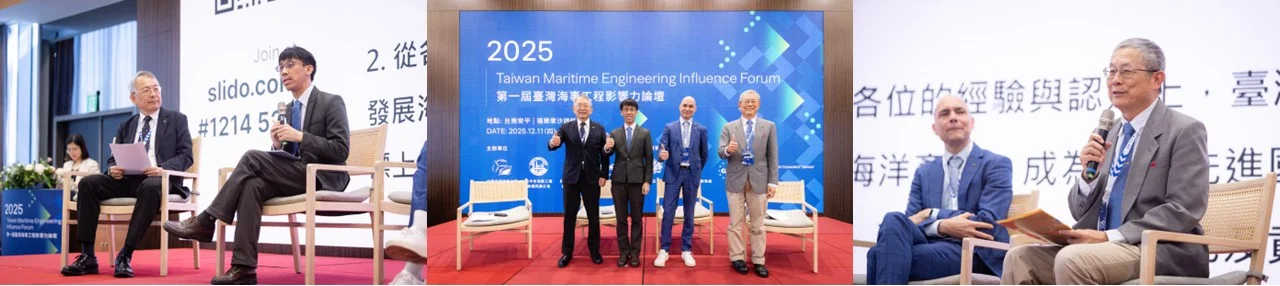
From Technology to Governance: Demonstration Projects and Risk Tolerance
In the afternoon session moderated by Meng-Fen Wu, panelists included representatives from DACC, Seatrench General Manager Jose Camacho, Jacky Chuang, Chairman of Taiwan Ocean Energy Development Association, and Steven Lin, Vice CEO of CDWE and Standing Director of the Kaohsiung Maritime Engineering Commercial Association. Speakers highlighted Taiwan's uniquely challenging marine conditions, which present both risks and rare opportunities. While Taiwan's maritime engineering supply chain can initially expand through subsea works, O&M, and specialized services, long-term competitiveness will require progress toward integrated EPCI capabilities. Demonstration projects were widely seen as critical—not only for technical validation but also for project bankability, enabling financial institutions to better understand and price risk.
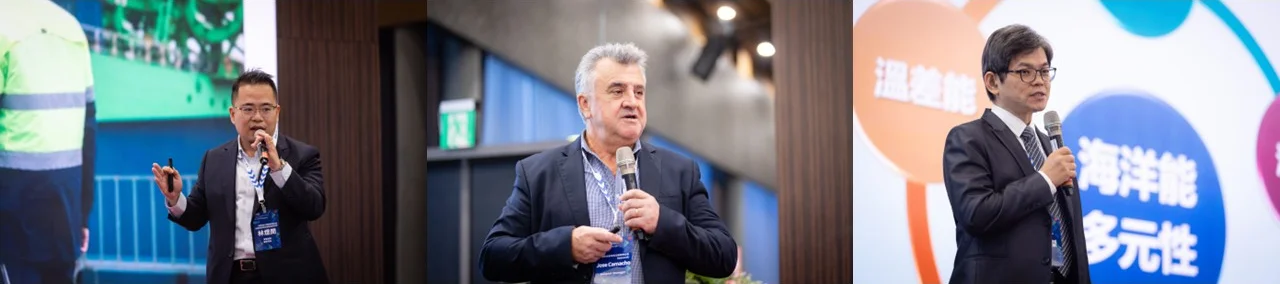
(From left to right) Steven Lin, Vice CEO of CDWE and Standing Director of the Kaohsiung Maritime Engineering Commercial Association; Jose Camacho, General Manager of Seatrench; Jacky Chuang, Chairman of Taiwan Ocean Energy Development Association
Public–Private Partnership and Social Foundations
The final panel, moderated by Xin-En Wu, Founder of EnergyOMNI, focused on governance foundations for a "Competent Maritime Nation." Professor Hung Wen-Ling of National Kaohsiung University of Science and Technology emphasized that public–private collaboration depends fundamentally on social connection. When everyday life remains disconnected from ships, oceans, and engineering, policy legitimacy erodes; therefore, cultivating nationwide marine literacy is a foundational task.
Jun Chen, Partner at Baker & McKenzie, noted that public–private partnerships require long-term, multi-stage dialogue and greater perspective-taking. Abraham Li, American Climate Club (ACC) Vice Chairman and APEC Executive Director, warned against "survivorship bias" in industrial policymaking, arguing that investment hinges on whether risks are transparent and predictable.
Kevin Wu, Asia-Pacific Regional Director at OEG, observed that Taiwan's offshore wind and maritime engineering sectors are entering a maturation phase. Strengthening policy continuity and building a stable project pipeline would accelerate localization of operations and maintenance while enhancing local firms' capacity to undertake large-scale projects. Citing Japan's NEDO demonstration programs, Wu recommended that Taiwan adopt long-term technology validation and forward-looking strategies.
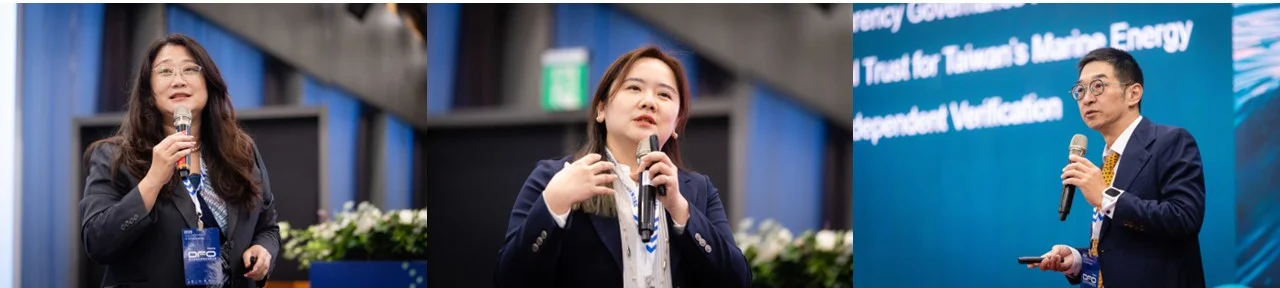
(From left to right) Hung Wen-Ling, Professor of National Kaohsiung University of Science and Technology; Jun Chen, Partner at Baker & McKenzie; Abraham Li, American Climate Club (ACC) Vice Chairman and APEC Executive Director
From Forum to Field: Making the Ocean Visible
The forum concluded with a site visit to the Green Jade, a multi-purpose offshore construction vessel built by CSBC and owned by CDWE. Equipped with dynamic positioning, high-speed transit, and offshore O&M capabilities, the vessel marks a milestone in Taiwan's autonomous offshore wind construction capacity and symbolizes the tangible emergence of domestic maritime engineering strength.
Beyond showcasing technology, the visit sent a broader policy message: only by bringing society closer to the ocean and engineering reality can marine energy, ocean governance, and industrial policy gain lasting public understanding and support.
This inaugural forum was supported by a broad range of industry partners, including CSBC, DACC Marine Engineering Corp., Seatrench, Dong Fang Offshore Co., Ltd., International Ocean Group (IOG), Boskalis, Yi Hai Offshore Technology, Hung Hua Construction, SGS, GAC (TAIWAN) and Baker & McKenzie, reflecting strong industry commitment to Taiwan's maritime engineering and energy transition agenda.
From industry and technology to governance and society, the Taiwan Maritime Engineering Influence Forum mapped a realistic pathway for Taiwan's maritime future. The question is no longer whether Taiwan has the conditions to succeed, but whether it is willing to treat maritime engineering as a core national capability rather than a short-term industrial instrument.
More related articles
