

Myanmar Earthquake Response: MSF Launches Secondary Healthcare Support and Emergency Mental Health Training Initiative
Myanmar Earthquake Response: MSF Launches Secondary Healthcare Support and Emergency Mental Health Training Initiative
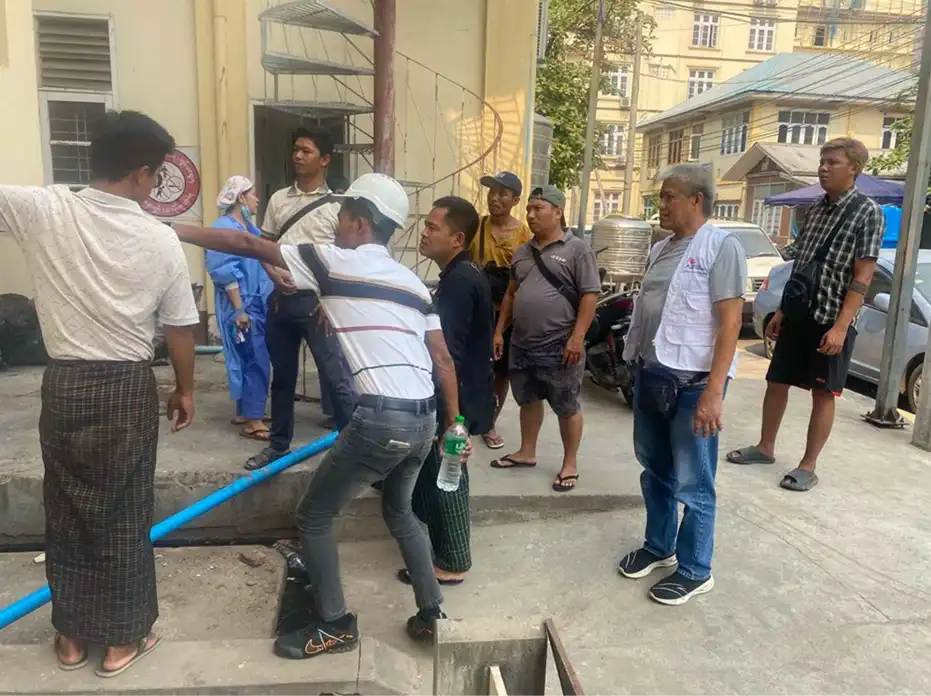 Due to poor water quality in the local canal, Médecins Sans Frontières (MSF) staff engaged in discussions
with administrators at Mandalay General Hospital to identify alternative water sources. This photo was taken on April 3, 2025.©MSF
Following the powerful 7.7-magnitude earthquake that struck Myanmar on March 28, Médecins Sans Frontières (MSF) deployed an assessment team that observed significant damage to the country's overall healthcare system, with secondary care facilities being particularly affected. Adrian Guadarrama, MSF's Program Manager in Myanmar, stated, "The healthcare system has been severely impacted at multiple levels, with secondary care being particularly affected, which is hospitals. MSF teams are prioritizing efforts to provide immediate relief by strengthening secondary healthcare services."
The MSF assessment team arrived in Mandalay and the southern Shan State earthquake-affected areas on March 30 and began its evaluations on March 31. The team includes medical, logistics, and water and sanitation experts. According to Guadarrama, some local operating theaters are currently non-functional, making it impossible to carry out emergency surgeries or provide essential care for women requiring c-sections. MSF is preparing for what appears to be a long and complex emergency response operation.
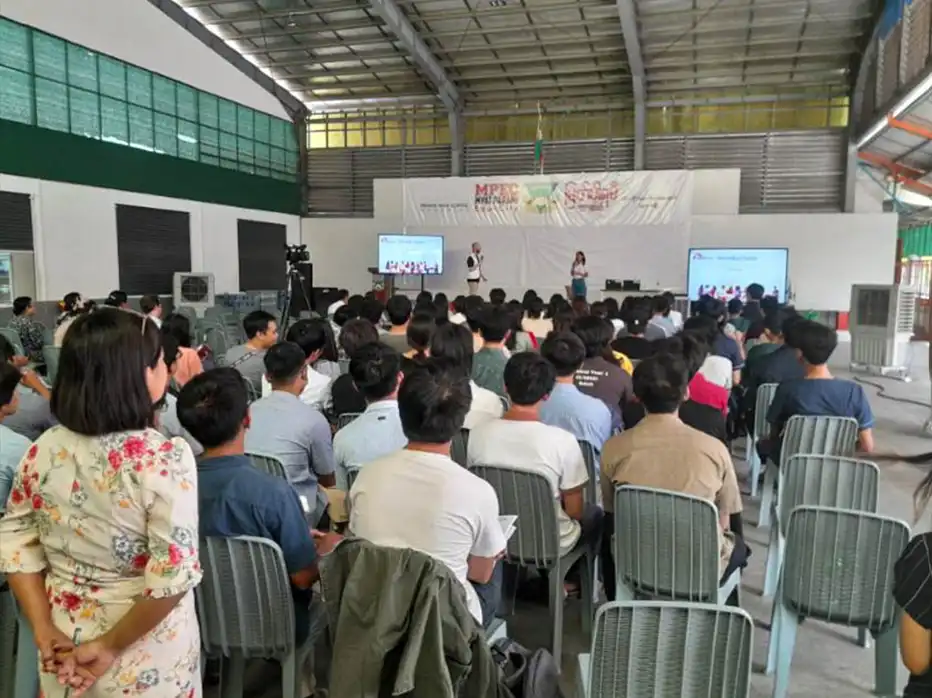 MSF personnel conducted emergency training in mental health care for volunteer medical students. This photo was taken on April 3, 2025.©MSF
At the same time, primary healthcare remains crucial in this context, ensuring continued access to essential medications for non-communicable diseases such as diabetes and hypertension. MSF teams are also worried about the psychological toll on the affected communities, many of whom are experiencing stress and acute trauma following the earthquake and ongoing aftershocks. To help build resilience, our teams are actively providing psychological first aid training as an integral part of the emergency response.
Guadarrama added that a key priority for MSF in Myanmar is community engagement—working closely with local efforts to ensure a meaningful and lasting impact on the health and well-being of those affected.
